
-

Vikram posted an update
I’m so happy that I found this move in a game today. It involved using so many things that were thought in this course and I can’t imagine me thinking along any of those lines few weeks back.
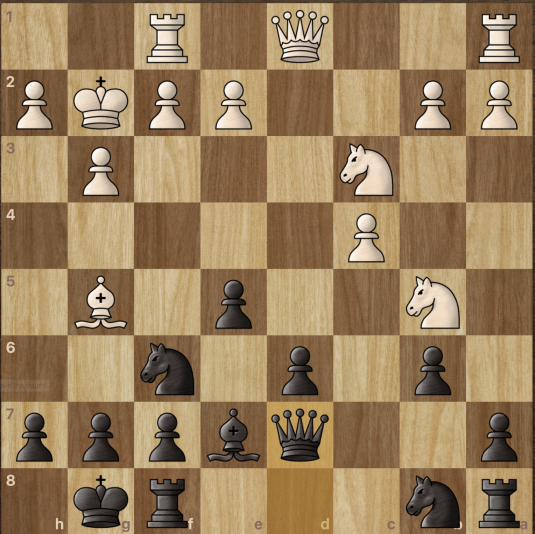
This small Qd7 resulted in getting a piece up with knight in otherwise tight game.
Here the opponent made Bg5 before my move and here’s what went through my mind –
1. Ah my dark square bishop is overloaded protecting the f6 knight and d file pawn. So if their bishop takes my knight and if I take back with bishop, then I loose my pawn – 2 attackers, 1 defender 🙁 (I had never before calculated attackers on pawn before the course). Can I take with g7 pawn? That sounds like terrible idea opening the king like that
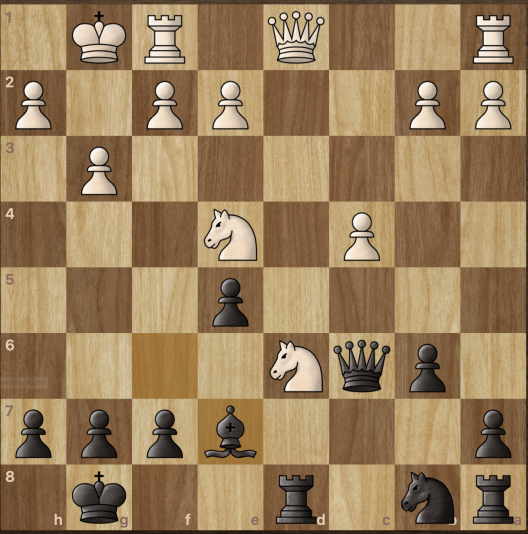
2. Can I add a defender to d6 square? Seems impossible – but Rd8 gets rook’s x-ray vision on that square – and most importantly on white’s queen at d1). But if I move the queen (Qd7) and then Rd8 the knight might run away after taking the pawn
3. How to gain tempo – yes the check on the king – Qc6! While king has to move (Blocking with Ne4 seems better but still doesn’t help) I can slide the rook in to d8 to pin the knight4. Does my opponent have any follow up? They could add defender through Ne4 which is addressed by Bd7 or c5 but bxc5 solves it.
5. That Qd7 move – making such small positional changes with long range pieces is probably the most important lesson I learnt from this course and has helped in a lot of games. I always thought making such small positional moves was waste of those pieces’ “talent” and never made them
So in the end I win the knight
Thanks to Nelson for putting together such a good course – you are the best! (my 8 year old thinks so as well)